
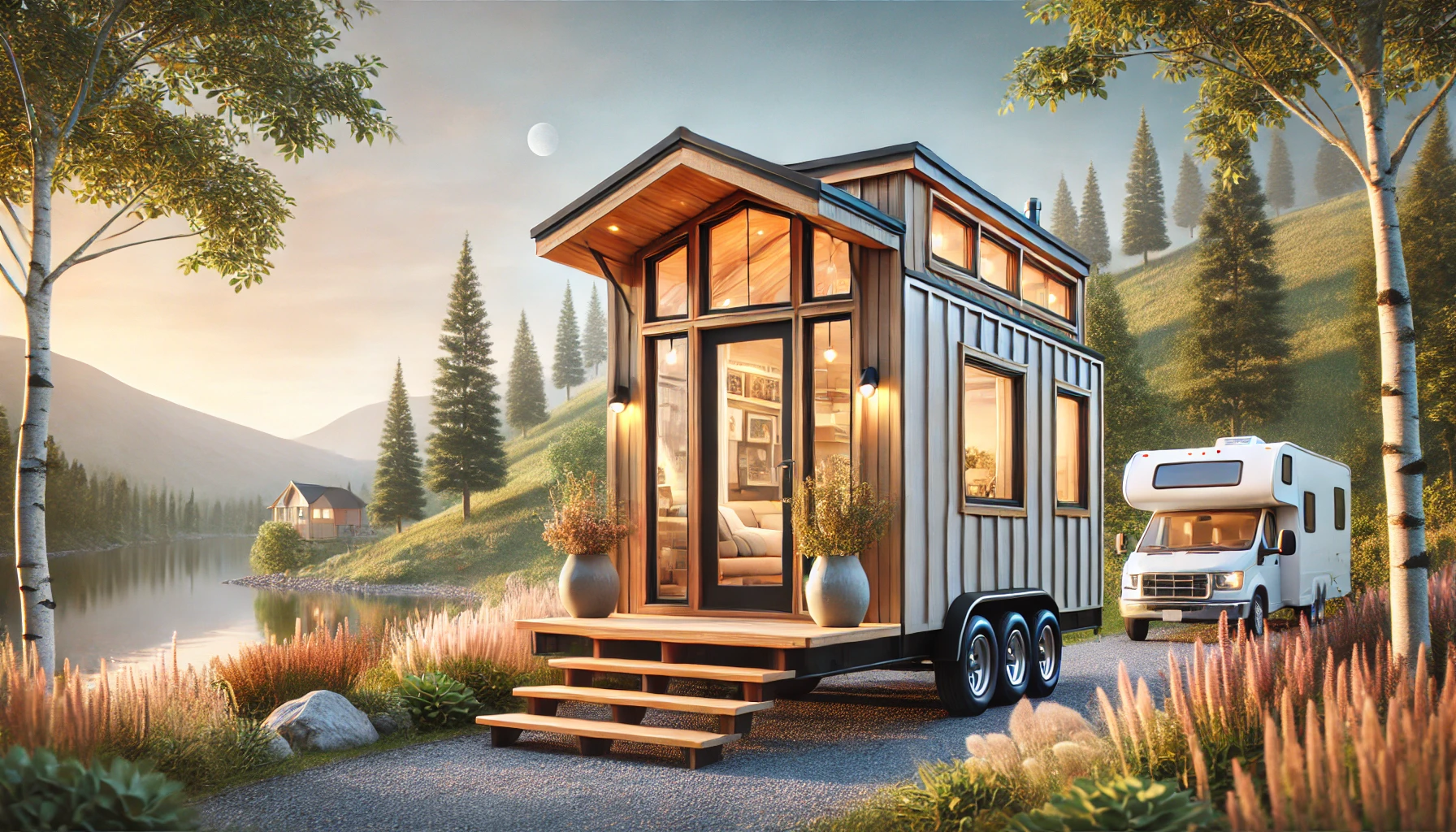
My journey with the tiny house movement began in 2007 when I caught Jay Shafer’s segment on Oprah. At the time, I was watching my California home’s value evaporate and coming to terms with the reality of traditional mortgages. What started as casual curiosity became a decade-long exploration that taught me specific lessons about managing space, possessions, and costs.
Here are nine key insights that anyone can apply, whether or not tiny living is their goal:
1. Comfort Requires Less Than We Think
After documenting countless tiny house success stories over eleven years, one pattern stands out: the square footage required for comfort is consistently lower than expected. The challenge isn’t adapting to smaller spaces—it’s confronting our relationship with possessions.
I’ve come to believe that fewer possessions can lead to greater happiness. Every item we own demands attention, space, and often money. When we store things in paid units (yes, I’ve been guilty of this, too), we’re not just paying financial costs—we’re carrying the mental burden of eventually dealing with those items.
2. Growth Comes Through Challenge
The tiny house movement pushed me toward skills I had no prior reason to develop. I had to learn new skills to bring my ideas to life—from concrete pipe houses to nine-square-foot dwellings. Teaching myself SketchUp, a 3D modeling tool, opened doors to designing countless tiny house plans and created new income streams.
This pattern repeats throughout the community: tiny housebuilders often become carpenters, metalworkers, videographers, and entrepreneurs. Each project becomes a catalyst for personal and professional growth.
3. Freedom Is a Daily Choice
Choosing simplicity in a consumption-driven world requires constant mindfulness. It’s like maintaining a healthy diet in a world of endless temptations. The conventional path—taking on a mortgage and accumulating possessions—often seems like the path of least resistance.
Sustaining that simplicity tends to involve returning to the same decision repeatedly, not making it once, especially when surrounded by different choices. The battle isn’t just external; it’s primarily in our minds.
4. Extreme Examples Spark Innovation
The tiny house movement demonstrates that alternatives to traditional housing and lifestyle choices exist. Each success story proves that what seems radical at first can become not just possible but desirable.
5. DIY Housing Is Achievable
While building a conventional home often requires professional expertise, tiny homes have made construction accessible to everyday people. The scale makes learning possible as you build, creating something personal and practical within months rather than years.
6. Size Should Match Lifestyle
Not everyone can—or should—live in 120 square feet. While tiny homes work beautifully for singles and minimalist couples, they can challenge larger families or those working from home. The key is finding the right balance for your specific needs while incorporating the principles of intentional living.
7. Mobility Requires Different Solutions
Converted buses often make more practical sense for those seeking travel than tiny houses. Their steel construction, aerodynamic design, and proven mechanical systems offer advantages over traditional tiny homes. While they might not win beauty contests, buses provide reliable, functional living spaces for nomadic lifestyles.
8. VanLife: Ultimate Freedom vs. Space
Vans reduce living space further than most tiny houses while increasing location flexibility. While space is premium, vans offer unparalleled freedom and stealth camping possibilities. It’s a lifestyle that demands extreme minimalism but rewards with maximum flexibility.
9. The Evolution of Simple Living
Interestingly, tiny houses have grown more luxurious over time. Early builds often cost under $25,000, while today’s models range from $75,000 to over $100,000. This trend reflects a broader truth: most people seek to balance simplicity with comfort rather than embrace extreme minimalism.
Looking Forward
The tiny house movement has evolved beyond size considerations into a broader conversation about intentional living. Whether in 100 or 1,000 square feet, the core principles—mindful consumption, financial freedom, and environmental consciousness—remain relevant.
These insights have shaped my perspective on housing and lifestyle choices. As we move forward, the focus has shifted toward how living spaces reflect spending priorities and daily habits that support our values and aspirations.
Image generated with the help of AI (ChatGPT & DALL·E).

Leave a Reply