Tag: tiny house

  • The Tiny House Archive: Celebrating the Early Years

    The Tiny House Archive: Celebrating the Early Years

    Open the Archive

    A Decade of Tiny House Design

    For the past 30 years, I’ve worked in technology. The last few years have been immersed in all things Applied AI, AI Ethics, and Alignment. But there was a period between 2008 and 2019 when I spent my off-hours designing tiny houses. 

    I stepped back from tiny houses in 2019, working in the technology sector by day, while continuing to design, create art, and write by night.

    I’m returning to the tiny house design studio in the tiny house design studio in 2026. But before I begin posting new conceptsโ€”which will focus on wider, 10-foot tiny homes and longer footprintsโ€”I wanted to honour the work that started it all by making it available one final time.

    Over the next few days, I will open my tiny house design “archive” one last time. 

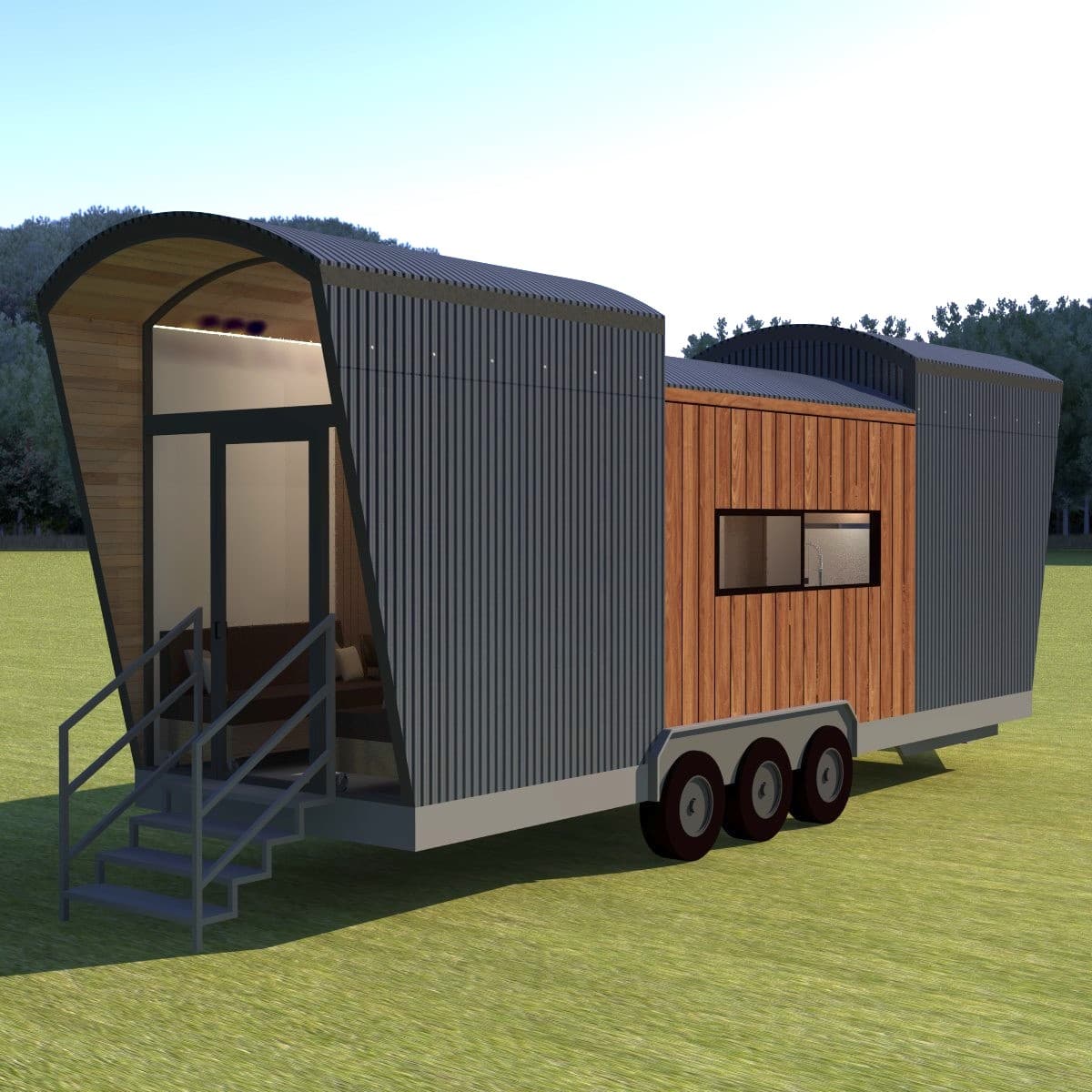
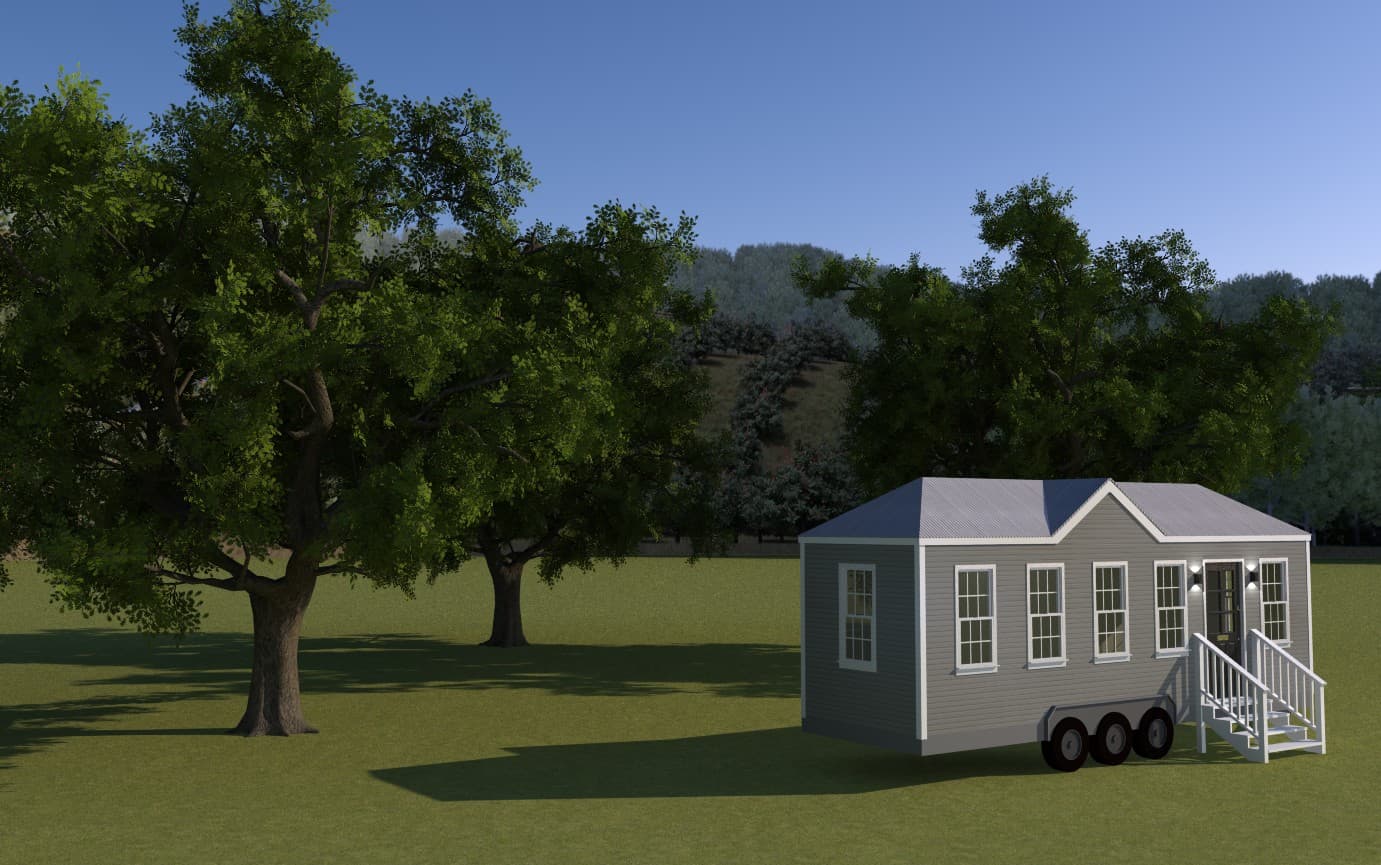
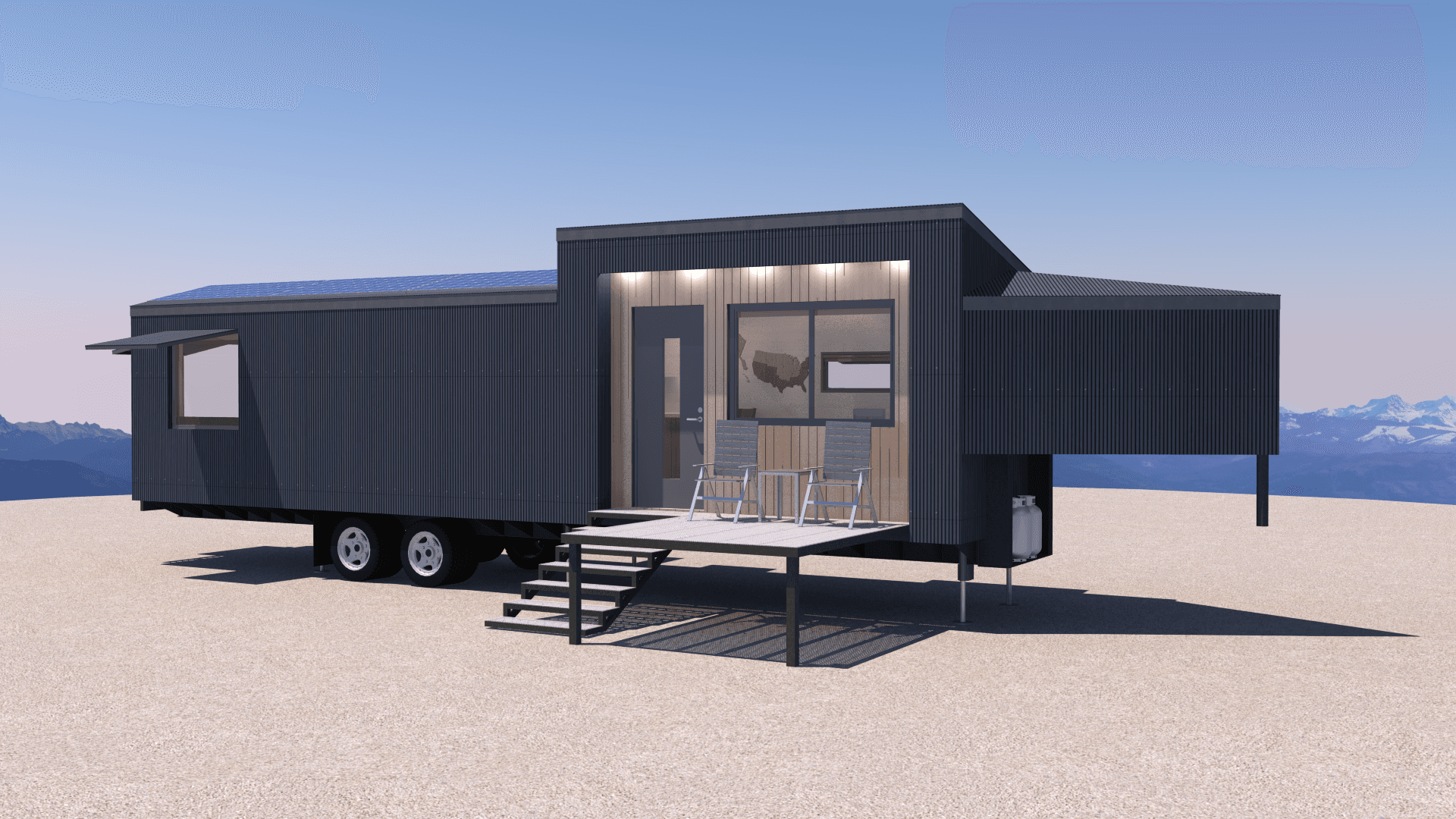
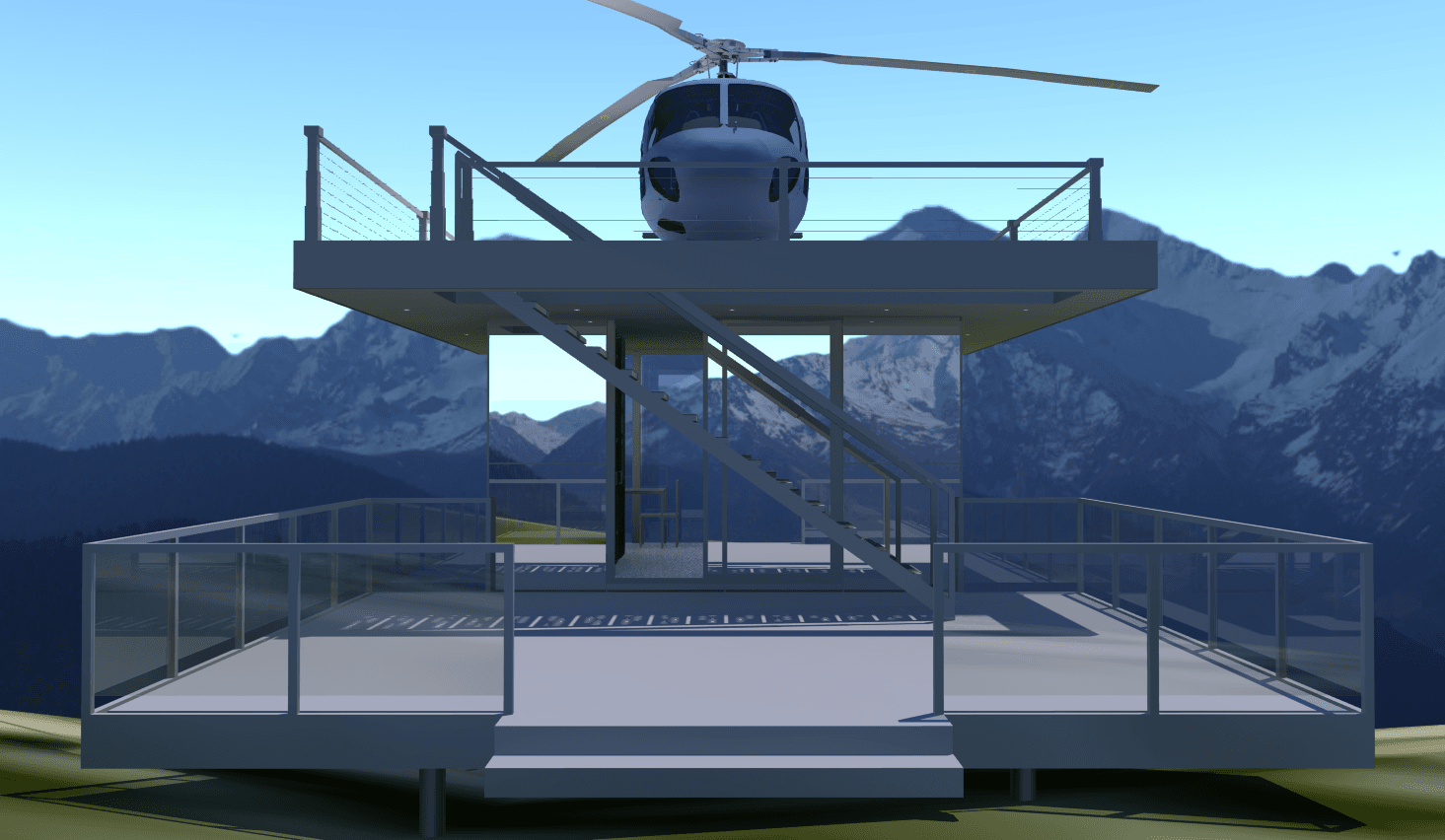
    The archive includes 20 tiny house plans, 4 cabin plans, and 4 ebooks on tiny house design

    If you missed these designs during my first decade of tiny house design, this is your final chance to explore the full body of work from that first era.

    Open the Archive

  • SketchUp Collaboration: A Strategic Vision for the Future of Design

    SketchUp Collaboration: A Strategic Vision for the Future of Design

    Disclaimer: These views are my own and do not represent Trimble’s official strategy

    TL;DR: SketchUp’s collaboration initiative positions the product at a critical junctureโ€”defending against cloud-native tools that have reset user expectations while integrating into Trimble’s enterprise ecosystem. Success requires a three-horizon strategy: perfecting lightweight review workflows now, building seamless bridges to enterprise capabilities, and pioneering new co-creation models that preserve SketchUp’s accessible soul. This document outlines that strategic framework through competitive analysis, organizational design principles, and direct product experience.

    Prologue: Why This Document Exists

    For over fifteen years, SketchUp has been my creative partner. I discovered it when it was still free and owned by Googleโ€”a revolutionary tool that democratized 3D design by making it genuinely approachable. As an early advocate, I promoted SketchUp extensively through my design blog, where I encouraged thousands of readers to use it as their go-to drawing software for architectural design. It became the foundation for my work: I began working with SketchUp nearly a decade ago, initially using it for architectural visualization projects before gradually shifting my focus toward more artistic applications. Over the years, I refined my modeling techniques and developed a distinctive visual style, which eventually led me to explore the intersection of digital design and physical fabrication โ€” culminating in my most ambitious undertaking yet: a series of 3D-printed sculptures. Please provide the full original passage that includes the 3D-printed sculptures detail, and I will be happy to rewrite it according to the recommendation., and, most recently, have been designing complex 3D-printed sculptures that push the boundaries of what the tool can create.

    Unlike a conventional market analysis, this framework is grounded in fifteen years of hands-on use alongside direct product management experience. This comes from someone who has spent years in both worldsโ€”as a product manager building collaborative B2B SaaS platforms and as a devoted SketchUp user who understands the software’s essence from thousands of hours of hands-on use.

    (sentence removed)

    All strategic assessments are based on publicly available information, competitive analysis, and my experience as both a product management professional and a long-time SketchUp user.

    Before writing this document, I conducted extensive research into SketchUp’s current state at Trimbleโ€”studying the recent collaboration feature releases, analyzing the Trimble Connect integration strategy, and examining how the product fits within the broader portfolio. I performed a competitive analysis of the AEC software landscape and studied collaboration best practices from adjacent domains. This document synthesizes that research into a strategic framework.

    *(paragraph deleted)* The strategic framework that follows is grounded in competitive analysis, informed by organizational design principles, and shaped by a genuine understanding of what designers need when they collaborate.

    (Sentence deleted โ€” no replacement text.)

    The framework begins with deep user empathy, builds on rigorous market analysis, and structures solutions around measurable outcomes that matter. If this resonates with how the SketchUp team approaches product development, I welcome the opportunity to continue this conversation. Regardless of outcome, the genuine hope is that some of these ideas in this document prove useful to the team building SketchUp’s future. *(sentence removed)*

    Introduction: The Inflection Point

    SketchUp faces competing pressures from two directions simultaneously. For two decades, it has dominated early-stage conceptual design with an unparalleled ease-of-use advantage. In 2025, the competitive landscape has fundamentally shifted. Cloud-native tools like Figma have reset user expectations for collaboration, while enterprise platforms like Autodesk’s Construction Cloud have deepened their ecosystem moats. The recently launched collaboration featuresโ€”private sharing, in-app commenting, and real-time viewingโ€”represent SketchUp’s opening move in this new era. The strategic opportunity, however, extends considerably further.

    This document outlines a strategic framework for transforming SketchUp from a beloved individual design tool into the collaboration platform of choice for modern design teams. The goal is to preserve the ease of use that defines SketchUp while harnessing Trimble’s industrial ecosystem to deliver enterprise-grade collaboration without sacrificing accessibility.

    The Market Reality: Two Competitive Fronts

    The Cloud-Native Threat from Below

    The design collaboration software market is projected to grow from $3.8 billion in 2025 to $15.1 billion by 2035โ€”approximately 15 percent compound annual growth rate overall, with cloud-based solutions (the deployment model most relevant to SketchUp’s strategy) growing at 15.3 percent annually (Future Market Insights 2025). This growth is driven by tools built natively in the cloudโ€”platforms like Figma, where real-time collaboration is not a feature but the foundation.

    While Figma operates in a different domain (2D UI/UX design versus 3D spatial modeling), it represents a critical strategic reference pointโ€”not as a direct competitor for SketchUp’s users, but as a benchmark that has redefined collaboration standards that has fundamentally reset expectations for what collaboration should feel like. Figma reset collaboration expectations by enabling multiple people to work together in real time, much like Google Docs. Analysts observe that Figma’s model “became the gold standard” in collaborative creative software, democratizing design through browser-based access and altering expectations across all creative tools. Designers who use both Figma and SketchUp will inevitably compare the experiences. The overhead of save-export-email-review-download-revise workflows creates meaningful friction compared to sharing a link and watching cursors move in real time. Figma’s model has raised the baseline expectation for collaboration across creative toolsโ€”including those, like SketchUp, that operate in entirely different domains.

    SketchUp’s new collaboration features address this expectation directly by bringing conversations into the model itself. The current implementationโ€”focused on review and feedback rather than co-creationโ€”reveals an important strategic choice about what kind of collaboration SketchUp will prioritize.

    The Enterprise Squeeze from Above

    At the other end of the spectrum, Autodesk and other AEC giants are building deeply integrated ecosystems where design, documentation, and construction management flow seamlessly through a unified data environment. Autodesk Construction Cloud serves as “a unified modern platform that connects design authors, reviewers, preconstruction teams, field crews, and closeout stakeholders in one data environment,” providing centralized project documentation that enables “permit requirements and regulations to be met and maintained” while giving “real-time visibility into every stage of the project” (Autodesk 2024). Their value proposition extends beyond making better designsโ€”it encompasses reducing project risk, ensuring compliance, and connecting designers to the downstream reality of what gets built.

    Trimble’s response through Trimble Connect is strategically sound: it positions the Common Data Environment as the connective tissue linking SketchUp’s conceptual work to the industrial-grade project management capabilities the parent company excels at. Trimble Connect “integrates project data for real-time visibility” across more than forty-five file types and serves as a cloud-based platform that “eliminates silos, improves communication and accelerates decision-making” (Trimble 2024). With over twenty-four million projects managed in the platform, it represents a mature ecosystem connecting SketchUp models to Trimble’s broader construction and engineering solutions. Integration alone is insufficient. The transition from lightweight in-app collaboration to enterprise CDE workflows must feel natural, not like jumping to a different product.

    Strategic Framework: The Three Horizons

    To compete effectively on both fronts, SketchUp’s collaboration strategy should operate across three time horizons simultaneously:

    Horizon 1: Perfect the Review Workflow (Now – 12 months)

    Strategic Goal: Make SketchUp the fastest, most intuitive platform for design review and client feedback loops.

    Key Initiatives:

    Depth over breadth in commenting. The current commenting system is good; the goal is exceptional. Enhanced features should include time-stamped comment histories showing design evolution, smart resolution workflows tracking what has been addressed, integration with common task management tools (Asana, Monday.com) for automatic action item creation, and voice comments for more natural feedbackโ€”especially valuable for nontechnical stakeholders.

    Optimize the View Scenes experience. This “slideshow mode” is brilliant for client presentationsโ€”double down on it. Add:

    • Automated scene generation using AI to suggest optimal camera angles
    • Narration recording capabilities for asynchronous presentations
    • Analytics showing which scenes received the most attention and comments
    • Customizable branding and presentation templates

    Make sharing frictionless. Every click between “I want feedback” and “stakeholder is reviewing” is a point of potential abandonment. Implement:

    • One-click sharing to common platforms (email, Slack, Teams)
    • QR code generation for in-person reviews on mobile devices
    • Guest access that doesn’t require accounts for view-only stakeholders
    • Smart defaults that remember sharing preferences per project type

    Performance obsession. Large models with multiple active viewers need to feel instantaneous. Continue the trajectory from the 86% FPS improvement in scene transitionsโ€”target another 50% improvement for model loading and navigation with multiple active collaborators.

    Horizon 2: Bridge to Enterprise Workflows (6-18 months)

    Strategic Goal: Create seamless on-ramps from lightweight collaboration to enterprise data management without forcing users to learn a new system.

    Key Initiatives:

    Progressive disclosure of Trimble Connect. Most users do not wake up wanting a CDEโ€”they want to solve specific problems. Surface Trimble Connect capabilities contextually. When a model reaches certain size or complexity thresholds, offer automatic cloud backup with version history. When comment threads mention the same issue repeatedly, suggest linking to formal project management workflows. When multiple disciplines are involved, highlight cross-tool integration benefits. Provide in-app tutorials that activate based on user behavior patterns.

    This approach mirrors the concept of dissolving work into component parts (Wrzesniewski and Dutton 2001)โ€”understanding what users actually do before prescribing how they should work. Rather than forcing adoption of enterprise tools, the system adapts to user needs organically.

    Unified data model. The biggest friction in enterprise tools is feeling like you are managing files rather than designs. Create a single source of truth where changes made in any connected tool automatically sync, version control is invisible but comprehensive, permission boundaries are clear but flexible, and the ground truth always resides in the cloud, not in conflicting local copies.

    Cross-platform consistency. SketchUp for Desktop, Web, and iPad currently have different levels of Trimble Connect integration. Eliminate this variance:

    • Full native integration across all platforms by end of 2026
    • Identical collaboration features regardless of where users access the model
    • Seamless handoff between devices (start on desktop, review on iPad, comment on web)

    Demonstrate ROI for enterprise buyers. IT decision-makers need different value propositions than designers. Develop dashboards and reporting that show:

    • Time saved in review cycles (measured in days or weeks)
    • Reduction in revision rounds required for approval
    • Cross-project insights about bottlenecks and efficiency
    • Compliance and audit trails for regulated industries

    Horizon 3: Define the Future of Co-Creation (12-36 months)

    Strategic Goal: Establish SketchUp’s vision for what collaborative 3D design should look like, differentiating from both BIM-heavy and 2D-focused competitors.

    Key Initiatives:

    Real-time co-modelingโ€”with guardrails. The technical challenge of multiple people editing 3D geometry simultaneously is solvable; the UX challenge is enormous. Unlike a 2D canvas, 3D models have complex relationships between components. Develop:

    • Component-level locking that allows simultaneous work on different parts of a model
    • “Branching” capabilities for trying alternative approaches without affecting the main design
    • Conflict resolution that’s spatial and visual, not text-based like code merges
    • AI-assisted coordination that suggests complementary areas for team members to work on

    Expand AI from visualization to collaboration. SketchUp Diffusion shows the potential for AI in the creative process. Extend this philosophy to collaborative workflows:

    • AI-generated design alternatives based on comment feedback
    • Automated compliance checking against building codes or client requirements
    • Natural language interfaces for common modeling tasks (“add a door here”)
    • Predictive insights about which design elements will require the most stakeholder discussion

    Embrace asynchronous-first collaboration. Not every designer works 9-5 in the same timezone. Build features specifically for distributed teams:

    • Recorded walkthroughs with voiceover that can be reviewed on-demand
    • Change summaries that automatically generate “what’s new” videos between versions
    • Smart notifications that respect time zones and working hours
    • Persistent workspace states so jumping into a collaboration session feels like returning to an active conversation, not starting from scratch

    Mobile-first review experience. The future of stakeholder feedback is happening on tablets and phones at job sites, not in conference rooms. Make the mobile experience flagship-quality:

    • AR viewing capabilities that let clients “place” designs in physical spaces
    • Touch-optimized markup and measurement tools
    • Offline capability for reviewing models in low-connectivity environments
    • Integration with mobile photography to document field conditions alongside design comments

    The Differentiation Thesis: Design-Centric Collaboration

    SketchUp collaboration should not be a lightweight Autodesk Construction Cloud or a 3D version of Figma. The unique strategic position lies at the intersection of design creativity and constructability.

    For Designers: SketchUp should be where ideas take shape through conversation. The feedback loop between showing work and incorporating insights should be measured in minutes, not days. The tool should amplify creativity, not bureaucratize it. This aligns with what organizational psychologists call job craftingโ€”the proactive redesign of work to be more meaningful (Wrzesniewski and Dutton 2001). Collaboration features should enable designers to craft their workflows around their creative process, not force their process into rigid templates.

    For Stakeholders: Clients, contractors, and consultants should engage meaningfully with designs without becoming SketchUp experts. The barrier to valuable input should be near zero. This is about eliminating what might be called the drudgery taxโ€”the friction that prevents people from contributing their unique expertise because the tools demand too much cognitive overhead.

    For Enterprises: When projects scale from concept to construction, the transition to structured workflows should happen naturally, preserving early design intent and conversation history as foundational project knowledge.

    This positioning directly addresses the core tension in Trimble’s portfolio: SketchUp is loved for its accessibility; Trimble’s other products are valued for their power. The collaboration initiative should be the bridge that lets users start in the former and scale into the latter whenโ€”and only whenโ€”they need to.

    Success Metrics: Beyond Feature Adoption

    Traditional product metrics (daily active users, feature adoption rates) are necessary but insufficient. The success of SketchUp collaboration should be measured by outcomes, not outputsโ€”a distinction famously articulated by Peter Drucker in his concept of “management by objectives” (Drucker 1954). The goal is not shipping features on schedule but creating measurable value for users.

    Time to feedback: How long between sharing a model and receiving substantive comments? Target under two hours for client reviews, under fifteen minutes for internal team reviews.

    Revision efficiency: How many revision cycles are needed to reach approval? Target a 30 percent reduction compared to pre-collaboration feature baseline.

    Ecosystem pull-through: What percentage of collaboration users eventually adopt Trimble Connect or other Trimble products? Target 25 percent within twelve months of active use.

    Retention by use case: Different user segments have different needs. Track retention separately for solo practitioners doing client presentations (high volume, lightweight usage), small design firms managing multiple concurrent projects (moderate complexity), and enterprise teams integrating with construction workflows (high complexity, high value).

    Net Promoter Score by persona: Designers, clients and stakeholders, and enterprise administrators should all be tracked separately. A designer NPS of seventy or higher is achievableโ€”industry benchmarks confirm that NPS above fifty is excellent and above eighty is world-class (Qualtrics 2024). Anything below fifty for client stakeholders indicates friction in the review experience.

    Organizational Implications: Product and Go-to-Market

    Product Organization

    This strategy requires a dedicated team structure:

    Core Collaboration Team: Owns the in-app featuresโ€”commenting, sharing, real-time viewing. Success metric: designer NPS and time to feedback.

    Platform Integration Team: Bridges to Trimble Connect and other Trimble products. Success metric: ecosystem pull-through rate.

    AI and Emerging Tech Team: Develops next-generation capabilities in Horizon 3. Success metric: innovation pipeline health and beta program engagement.

    Collaboration Design Research: A dedicated researcher focused on understanding how design teams actually work, not just how they use SketchUp. This insight drives the roadmap. This role embodies what might be called organizational anthropologyโ€”studying the native language and power structures of design teams to inform product decisions that genuinely serve their needs.

    Go-to-Market Strategy

    For Individual Practitioners: Emphasize simplicity and speed. Marketing message: “Get better feedback, faster.” Channel: content marketing showing before-and-after workflow improvements.

    For Small Firms: Position as the growth enabler. Message: “Take on bigger projects with the team you have.” Channel: case studies from successful small firms that scaled using collaboration features.

    For Enterprises: Lead with risk reduction and visibility. Message: “From concept to construction, without losing the plot.” Channel: direct sales with IT and project leadership, emphasizing Trimble ecosystem benefits.

    Community Amplification: SketchUp’s user community is one of its greatest assets. Create a Collaboration Champions program that recognizes power users who develop best practices, provides early access to new features for feedback, amplifies success stories through comarketing, and develops templates and workflows that others can adopt. This creates what General Stanley McChrystal calls a “team of teams” approachโ€”empowering distributed networks rather than relying solely on top-down directives (McChrystal et al. 2015).

    The Critical Path Forward

    If I were leading this product initiative, here are the immediate priorities for the first ninety days:

    Days 1โ€“30: Listen and Learn Interview fifty or more users across all segments about their current collaboration pain points. Shadow ten design teams through complete project cycles. Audit competitive tools (Figma, Onshape, BIM Collaborate) for inspiration. Map the current user journey from SketchUp to Trimble Connectโ€”identify every friction point. This is not market research theater; it is the foundation for evidence-based decision-making.

    Days 31โ€“60: Define and Align Create a unified vision document for what SketchUp collaboration should be in three years. Build consensus with leadership on which horizon gets primary investment. Establish clear success metrics and instrumentation plans. Recruit or identify key team members for each focus area. This phase is about creating psychological safety within the product organizationโ€”ensuring the team knows the why behind decisions, not just the what (Edmondson 2018).

    Days 61โ€“90: Ship and Signal Launch at least one high-impact improvement to existing collaboration features. Begin beta program for Horizon 2 capabilities with enterprise design teams. Publish thought leadership on design-centric collaboration to establish positioning. Create internal alignment through roadmap reviews with cross-functional stakeholders. The goal is not perfection but momentumโ€”demonstrating that the organization can iterate its way to excellence.

    Conclusion: The Opportunity for Transformative Impact

    The design software market is experiencing a once-in-a-decade shift. Tools that were previously evaluated on feature checklists are now being chosen based on how well they enable teams to work together. SketchUp has spent 20+ years building trust with designers as the most approachable 3D modeling tool. That trust creates permission to reimagine what collaborative design should look like.

    The collaboration initiative isn’t just a feature setโ€”it’s SketchUp’s chance to remain relevant in an era where solo design work is increasingly rare. Done right, it can defend against cloud-native competitors while unlocking Trimble’s enterprise ecosystem value. Done poorly, SketchUp risks becoming a legacy tool used only for initial sketching before teams move to “real” collaboration platforms.

    The technical challenges are real but solvable. The strategic questionsโ€”what kind of collaboration, for which users, at what point in their workflowโ€”are where the leverage lies. This is fundamentally a product vision challenge, not an engineering challenge. And that’s what makes it exciting.

    The path forward is clear: start by perfecting the review workflow, build trustworthy bridges to enterprise capabilities, and pioneer new models of co-creation that preserve SketchUp’s creative soul. Execute this strategy well, and SketchUp won’t just survive the collaboration eraโ€”it will define what design collaboration should be.


    This strategic framework is designed to spark conversation and refinement. The best product strategies are living documents that evolve with user feedback, market dynamics, and organizational learning. I’m excited to discuss how these ideas can be adapted, challenged, and improved as we build the future of SketchUp together.

  • Tiny House Design System

    Tiny House Design System

    Over the years, I have spent much time perfecting my approach to designing tiny houses. Through this process, I have developed a simple, effective way to create beautiful, functional tiny homes. I am thrilled to announce that my Tiny House Design System is now available for everyone.

    The Tiny House Design System consists of compatible house forms, like building blocks, that can be combined to create a custom design tailored to your needs. With hundreds of cross-section drawings included, you won’t have to worry about calculating the dimensions yourself.

    Whether you’re a seasoned professional or a novice designer, the Tiny House Design System is an indispensable resource for your toolkit. It is available in both ebook and print formats, making it easily accessible to anyone interested in designing their own tiny home.

    Before making a purchase, I invite you to check out my YouTube Channel, where I explain how the system works and provide tips on how to use it effectively. Don’t hesitate to leave any questions in the comments section.

    Never stop dreaming, designing, and innovating. The Tiny House Design System gives you everything you need to bring your tiny home vision to life.

  • Road Trip Gooseneck Tiny House Design Study

    Road Trip Gooseneck Tiny House Design Study

    This is a concept for a 36-foot tiny house on wheels. It has two living rooms than convert into sleeping spaces. The kitchen and bath are centrally located.

    A fold-down porch and stairs provide exterior living space but fold up for travel. The windows all have covers that provide shade when up and security and window protection when closed.

    Below are some interior renderings to show some of the transforming built-in furniture.

  • HeliHouse

    HeliHouse

    I’m obsessed with learning to fly, helicopters and airplanes. I know a few people with their licenses and it sounds like a blast… real freedom… like owning your own time machine.

    The HeliHouse sits on top of a mountain. It would be built modularly one piece at a time. Each sub-2000 pound modular element is flown in by helicopter and assembled on site.

    The foundation sits on micropiles like a powerline tower. These five inch concrete pylons are drilled into the ground and filled with concrete and steel so that a platform can be attached.

    On top of this, a simple metal frame is attached and clad in mirrored glass. The mirrored walls would make it virtually invisible and blend into the natural landscape except for moments when the sun would reflect off the surface making it stand out like a jewel.

    The interior is small, just 16′ x 16′. It’s one room except for a glassed-in bathroom and an alcove for a micro kitchen. The bed is tucked in below the floor and rises into place when it’s time to turn the living room into a bedroom.

    The roof is 24′ x 24′ which is just big enough for a small helicopter to land. Rails around the helipad retract during landing operations and a staircase extends when the pilot and passengers need to descend to the house level.

    A large deck extends in front of the home so the visitors can exit the elevated house and explore the surrounding wilderness.

    Power would be provided by a solar array and lithium battery bank located on the mechanical level below the main living space. Also located in this space is a composting toilet system separating the occupants from their daily business as well as a rainwater collection tank for supplying potable water.

    Heating would be provided by its passive solar design and an aircraft diesel-powered heater – similar to a marine or RV space heater. Turbine helicopters are powered by Jet-A fuel which is essentially kerosene, or a lighter-weight type of diesel fuel. The helicopter could offload a position of its reserve to keep the home’s diesel tanks topped off. The entire assembly would be completely self sufficient except for the kerosene powered backup heating fuel.

    Visitors could fly in and stay for as long as they have food to feed them. This is an extreme tiny house design, to say the least, but fun food for thought.

  • Interview with the Tiny House Lifestyle Podcast

    Interview with the Tiny House Lifestyle Podcast

    I recently had a chat with Ethan at the Tiny House Lifestyle Podcast where we talked about the tiny house movement then and now, tiny house trends, some of my recent designs, and the second edition of Tiny House Floor Plans.

    If you’d like to listen in, get to know me better, and where I’m coming from have a listen to the Tiny House Lifestyle Podcast.

    Photo by Kent Griswold.

  • Tiny House Floor Plans – Second Edition

    Tiny House Floor Plans – Second Edition

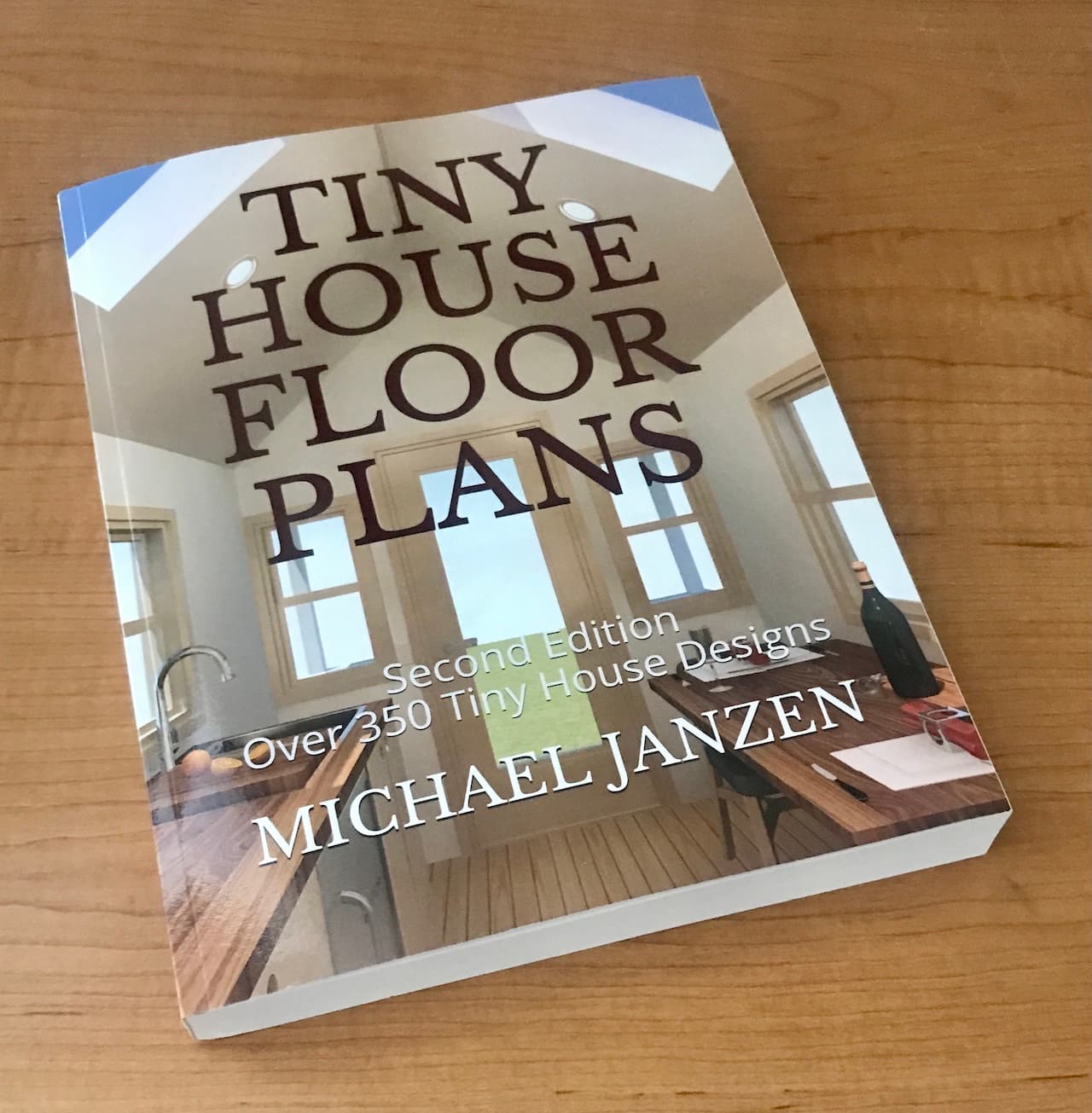
    I just completed and published the second edition of my first book, Tiny House Floor Plans. You can order the book in print or as an ebook.

    Cover of Tiny House Floor Plans, Second Edition

    I published the first edition of Tiny House Floor Plans back in 2012. It was a top-rated book, averaged four out of five stars on Amazon, and had almost 450 reviews the day I retired it in 2021.

    Tiny houses were still small and simple back then. Most tiny homes were owner-built, and there were only a few professional builders in the business. A typical tiny house was about 20-feet long, had a 5-gallon bucket sawdust toilet, minimal off-grid power, and you took a ladder to get into the loft. For example, the tiny house that made the movement famous was Jay Shaferโ€™s original Tumbleweed. This house measured only 12-feet long, including the porch, and had less than 100 square feet of interior floor space.

    Sample page showing an 8×12 tiny house floor plan. There are 24 12-foot tiny house designs in the book.

    Today, people expect more from a tiny house. A 20-foot tiny house is considered relatively small in size these days. Most tiny homes have stairs that take you to the loft, plus conventional toilets or commercially made composting toilets. The interiors are finished to high standards with modern appliances, laundry machines, full-size refrigerators, and lots of fine woodwork.

    Sample page showing an 8×14 tiny house floor plan. There are 28 14-foot tiny house designs in the book.

    I suspect a combination of a demand for the finer things and the tiny house television shows drove these changes. Nevertheless, as the Tiny House Movement grew, it had to accommodate a more diverse group of people with different needs, so the houses naturally grew and changed with the times.

    Sample page showing an 8×16 tiny house floor plan. There are 32 16-foot tiny house designs in the book.

    This is why it seemed about high time for me to redraw my book. Youโ€™ll find nothing from the original version is in these pages; all the drawings in this second edition are brand new. Youโ€™ll find over 350 tiny house floor plans of homes ranging from truly tiny 12-foot-long tiny houses to giant 36-foot long homes. Most designs have stairs, and some of the larger homes have two flights of stairs, each to their own loft. Iโ€™ve even tried to include a space for laundry machines in all the medium to large designs. 

    Sample page showing an 8×18 tiny house floor plan. There are 36 18-foot tiny house designs in the book.

    All designs show a utility closet with an external access door. Too often, I see mechanical systems stuffed into tiny houses as afterthoughts. I think itโ€™s best to plan ahead and carve out a place for these items, so they are kept separate from the living space. Itโ€™s safer, more convenient to access and repair, and this approach doesnโ€™t rob you of valuable interior storage space.

    Sample page showing an 8×20 tiny house floor plan. There are 44 20-foot tiny house designs in the book.

    What I hope people will take away from this new edition is the inspiration to design and build your own tiny home. There are a million ways to layout a tiny house with all sorts of combinations still yet imagined. I hope my book gets you started on that path or at least feeds that creative flame that has already been sparked. I wish you well on your way to finding freedom in a tiny house.

    Sample page showing an 8×24 tiny house floor plan. There are 48 24-foot tiny house designs in the book.
    Sample page showing an 8×28 tiny house floor plan. There are 48 28-foot tiny house designs in the book.
    Sample page showing an 8×32 tiny house floor plan. There are 48 32-foot tiny house designs in the book.

    I stopped at 36-foot tiny house designs even though one could probably go up to 40 feet because when you add up the length of a typical truck plus the full length of a 36-foot tiny house you are very close to the legal limit of 65-feet for the entire truck and trailer.

    Large heavy duty pickup trucks with crew cabs are just under 22-feet, plus a 6 foot trailer tongue, plus the length of the 36-foot house and you’re at 64 feet.

    You could build a tiny house larger in width, length, and height than the legal road limit and get a special move permit when you wanted to move it, but why would you build so big? At that point the house is so big and expensive it might make more sense to built it on a foundation.

    In other words – and in my humble opinion – tiny houses that are larger than 8′ x 36′ are probably in another class of housing like maybe we could call them ‘Giant Tinies’ or just stick with Park Model RV like the manufactured home industry likes to call them.

    Anyway… that’s the long-winded reason I stopped at 36-feet and didn’t include any houses wider than legal road limit of 8.5-feet.

    Sample page showing an 8×36 tiny house floor plan. There are 48 36-foot tiny house designs in the book.

    The book is available now in print at Amazon. You can also order it as an ebook directly from me. Use the links provided here to find both the print version and downloadable ebook version.

    I’ll be posting videos of how I draw the floor plans and how I would transform the designs into 3D drawings using SketchUp in the near future. I also setup a special website to focus on the book which you can find at TinyHouseFloorPlans.us.

    Post your comments and questions below.

  • Mirrored Tiny House Concept

    Mirrored Tiny House Concept

    Call me crazy, but I really like the idea of a mirrored tiny house; but I have a lot of questions about the feasibility. What would it be like to have a mirrored tiny house? Would it blend into its surroundings or stand-out like a soar thumb? Would birds crash into it? Would it cost a fortune? Would the occupants get constantly photographed by curious onlookers?

    36-foot long tiny house. Mirrored on three sides.

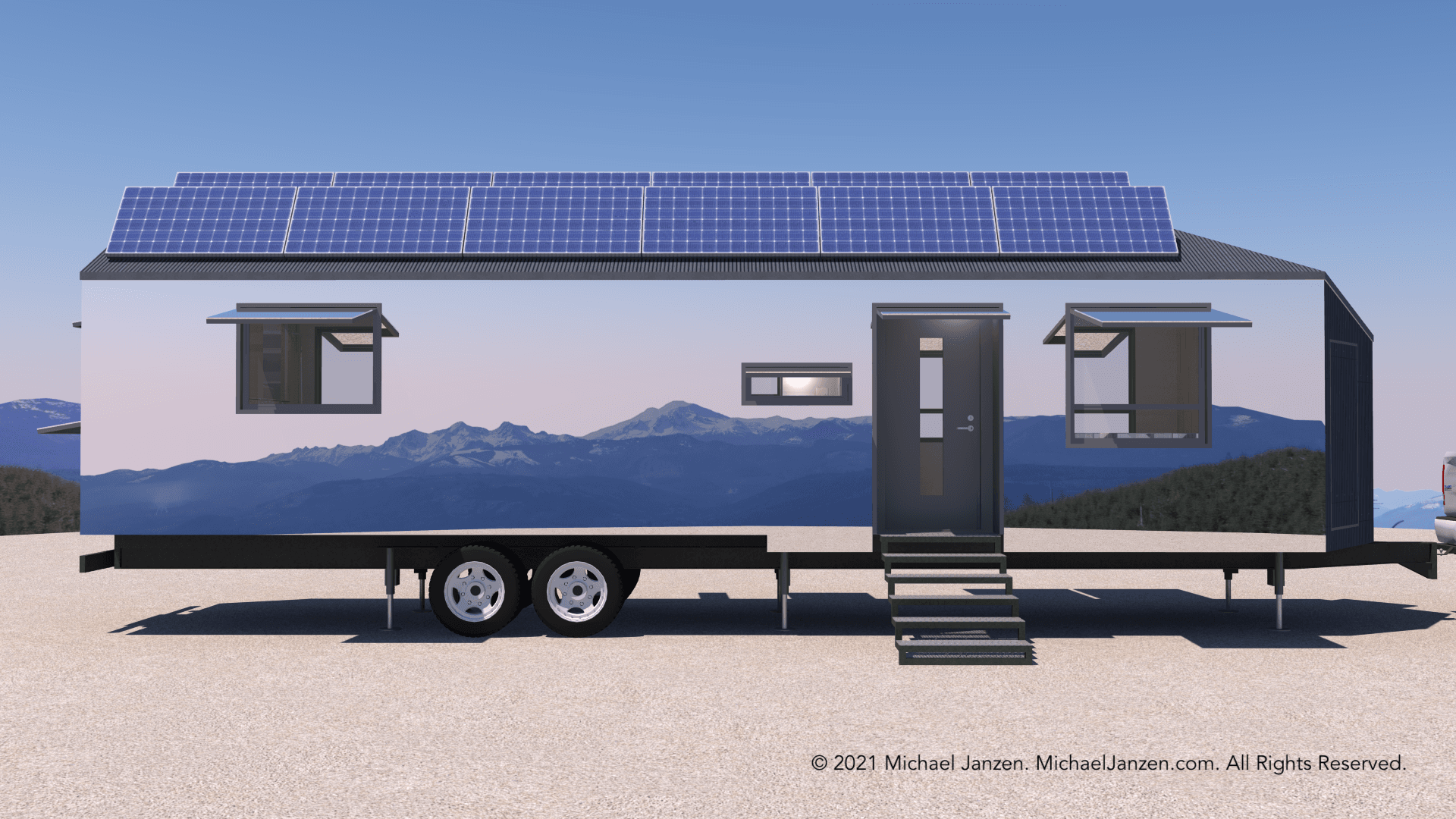
    This design is a simple box with a 3/12 gable roof and a slightly more aerodynamic nose than most tiny houses. The boxy shape would likely be easier to cover with mirrors. The nose and roof would be black metal roofing for durability. The roof would be covered in solar panels on mounts that tilt to the left and right.

    As you can see in these renderings the mirrors reflect the surrounding scenery nicely – much like the real photos of mirrored houses we’ve seen on the Internet. I actually think the house might just blend into the natural surroundings once parked. On the road, I bet it would be quite the eye catcher – hopefully not a distraction or difficult to see. For sure it would be a huge conversation starter and photographer magnet.

    Fold-up metal stairs fit into the front door recess. Windows have welded metal shutters that open upwards to function as awnings.
    The nose houses the water heater, propane tanks, minisplit A/C unit(s), generator, solar system and lithium batteries. Since outdoor minisplit until are meant to be mounted outside, ample venting around the unit and a vent door would need to be kept open when in use.
    Solar panels would be on frames that fold either to the left or right so that they could be tilted more toward the sun. I tried to imagine what the design of a 360-degree automatic tracking mount might look like, but kept it simple for this one.

    This tiny house design is 36-feet long on a custom trailer design with tandem dual wheel axles. The rear section of the trailer is higher to provide more space for water tanks (fresh, black and grey) under the floors of the kitchen and bathroom.

    The tiny house is ready to roll – the shutters are shown closed, the steps are folded-up and secured.

    The home’s shutters would be mounted on heavy duty self-opening spring hinges or normal hinges with gas struts for support. It would be super cool to have them on automatic opening gas struts like those found on the hatch of an SUV.

    When on the road the house closes-up to keep things safe and aerodynamic. You could also close the house up when in camp to help secure it from would-be thieves. The nose of the house is angled and protrudes over the trailer tongue to provide space for utility gear and an aerodynamic nose into the wind.

    You are now inside the Living Room looking back to the kitchen and bunk room in the back. A small eating counter with two stools provide a place for a quick bite or chat with the cook.
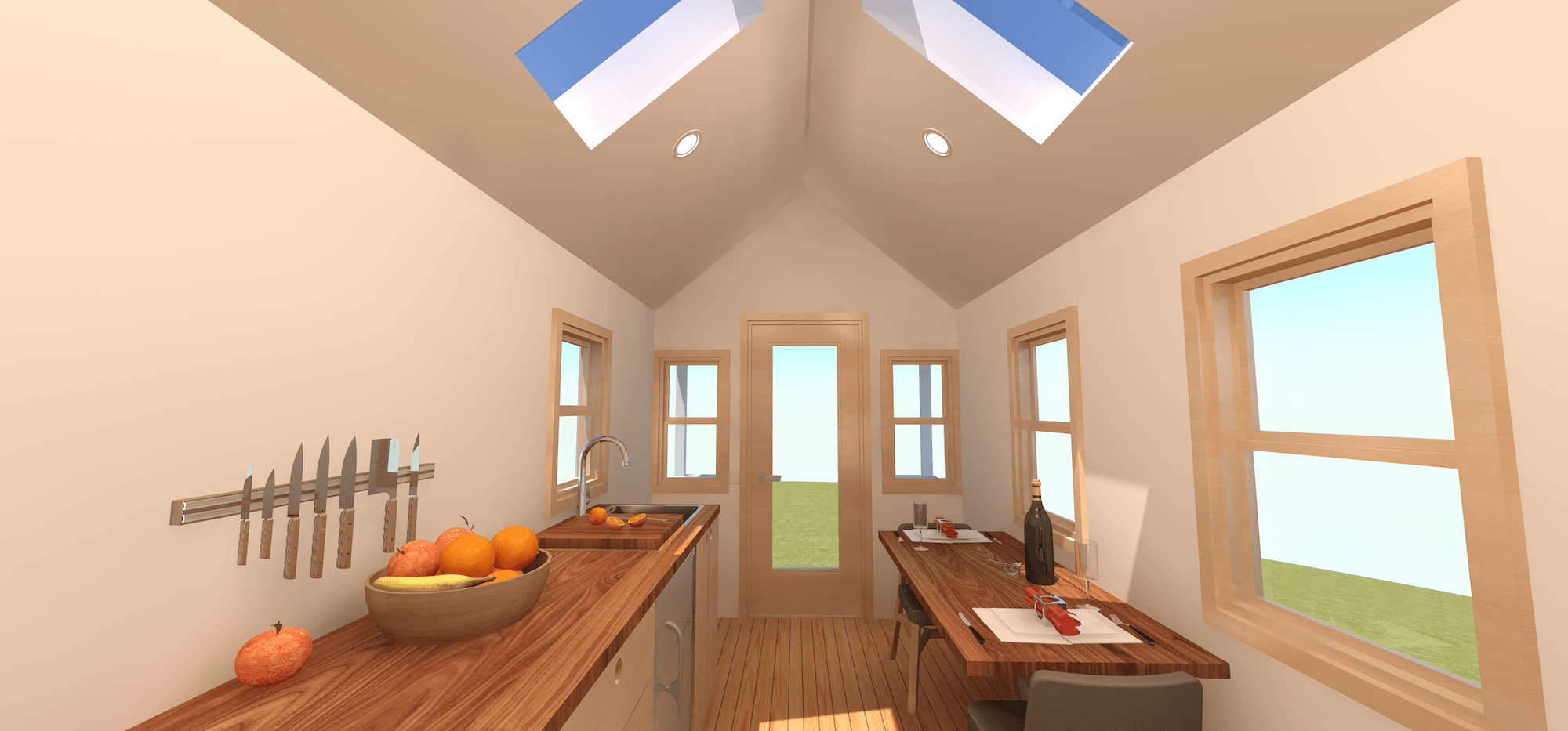
    View from the kitchen looking into the living room. The kitchen is fairly large with an oven, induction stove top, microwave, full-size built-in refrigerator, double sink, and a lot of counter and cabinet space.
    Washed dishes would be placed in the rack above the sink to dry.
    The living room doubles as a dining room.
    The table shown folded up.

    A television, stereo, and minisplit A/C head are hidden away behind the folded-up table. The minisplit would not be functional with the table up, and is hidden above the stereo behind the wood slats. There are three other minisplit head location shown in the floor plan at the bottom of the story.

    Living room in night mode.

    The sofas are on castor wheels and can be rolled together to form a bed. The bed can be centered off to one side. The sofas have three storage drawers each to provide clothing storage. The shutters or roll-up blinds could be closed for privacy at night.

    A bunk bed built for privacy could be constructed for kids, teens, or adults.

    The bunk bed length is over seven feet. Bed width is over three feet, so standard twin mattress could fit in each bunk. Simple sliding doors shut when privacy is needed. Opening windows in the bunks provide light, ventilation, and egress in an emergency. A small loveseat sized sofa and a fold-up desk provide more function to the bunk room.

    Small Bathroom with 36-inch square shower.

    The bathroom is accessed from a hall that separates the kitchen from the bunk room. A swinging door would be used for the bathroom so towels could be hung to dry on a towel bar on the door. Across the hallway from the bathroom is ample storage and full height closets for four people.

    Floor Plan. Bunk room on the left. Bathroom, hallway with closets between the kitchen and bunk room. On the right is the living room that can also be used as a bedroom or dining room.

    Pocket doors separate the bunk room from the hallway and bathroom, and the bathroom and hallway from the kitchen. The kitchen and living room stay open to each other. There is no loft in order to keep the ground clearance of the trailer high and the roofline under 13-feet so the house could be taken on an Alaskan or Canadian ferry adventure.

    This is a tiny house designed to travel with a family of four. It’s off-grid setup could be configured to be large enough to keep it cool in Arizona or warm in Alaska. A backup propane powered generator could be mounted in the nose to provide extra power on dark says. There’s plenty of space for large RV water and grey & black tanks so that you can stay for a week or two at a time in off-grid boondocking campsites.

    I think the best mirrored material for the exterior would be mirrored polycarbonate, but it is very expensive and I’m not sure about its durability. Polished stainless steel would be much more durable, but if it is not perfectly flat a funhouse mirror effect seems to occur. Glass probably provides the best mirror surface, but would likely be the most expensive and would be more susceptible to breakage than polycarbonate. One thing is for sure, the owner of a mirrored tiny house would be washing it all the time to keep it shiny and clean.

    Mirroring aside… I really like this floor plan. I think it would be ideal for a traveling family. The parents would use the living room as their bedroom at night and the kids (even teenagers) could be comfortable in the bunk room at night.

    What do you think about this design? What do you think of a mirrored tiny house?

  • Road Trip Jeep Hauling Tiny House Concept

    Road Trip Jeep Hauling Tiny House Concept

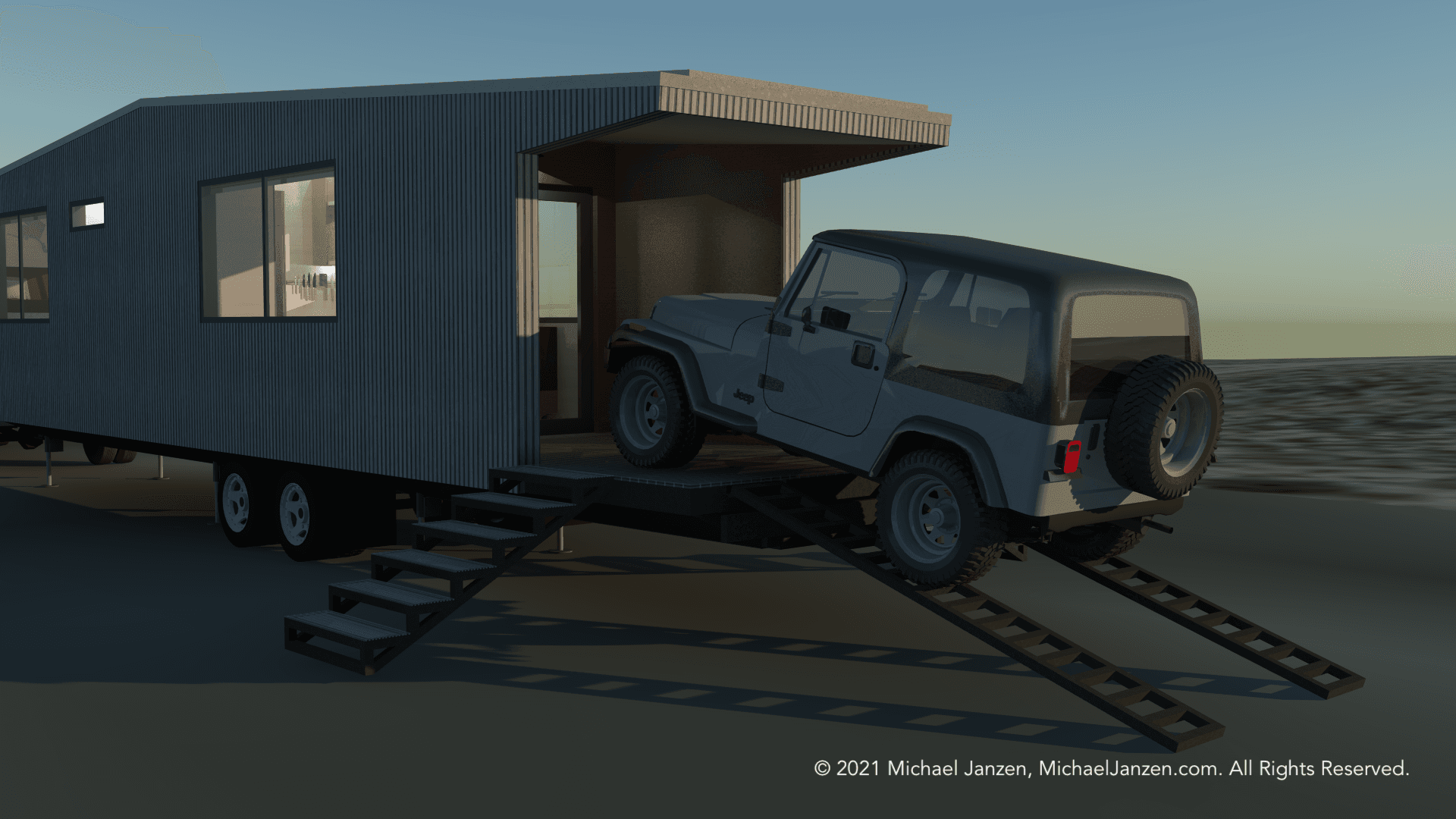
    Drive your Jeep right up onto the 11′ 9″ deep porch when ready to hit the road.

    This is a design idea I’ve been playing with a lot lately. Most tiny houses don’t travel well because they are heavy, brick-shaped, and built to maximize the building envelope defined by the size limitations of 8.5-feet wide and 13.5′-tall. So most tiny houses ride low, drag their butts on steep driveways, and are not usually very aerodynamic. This design is different.

    A dramatic entrance welcomes you home. The porch surface would be a steel grate strong enough for a 4,000-pound Jeep, would scrape the mud off your boots, and would never collect water.
    Your boondocking home is quickly setup and you’re now ready to explore the remote backwoods in your Jeep. Your giant RAM 3500 is 4-wheel-drive too, but build for highway towing. (Note to Jeep lovers… I couldn’t find a good JK or JL SketchUp drawing to add to my tiny house drawing so had to settle for this YJ. Nothing against YJs. except for the square headlights. LOL)

    I wanted to imagine a tiny house that was built to travel and explore, so I started with the trailer design. This trailer would have a 40-foot trailer bed, an 8-foot gooseneck, dual tandem wheels, 12,000-pound axles, trailer breaks, and hydraulic self-leveling jacks like a commercial fifth wheel trailer.

    The trailer would have very good ground clearance and would be much nicer to tow on a regular basis than the typical tiny house. The sacrifice is limited ceiling height due to a floor so high in the air. The ceiling is 8 to 9-feet tall, just not tall enough for a true loft. The overall height of this design is just under 13-feet so you could take it on a Ferry to Alaska if that was in your budget (most ferries I researched have limits of 13-feet tall for trailers and RVs).

    Custom trailer with high ground clearance and dual tandem 12,000 pound axles.

    Due to it’s length, a tiny house like this would likely weigh a lot, like 16,000 to 20,000 pounds with the 4,000-pound Jeep loaded on the back. One drawback of this design would be that it would be tricky to balance the trailer for towing if you were missing the Jeep counterweight.

    You just pulled into camp and ready to offload the Jeep. Lower the side stairs for easier access to the Jeep.
    The Jeep is loaded, strapped down, and your home is ready to hit the road. The stairs on both sides of the porch would be steel or aluminum and hinge-up and secured when you’re ready to travel.

    For sure it would take a heavy duty truck to tow this tiny house, like a RAM 3500, Ford F350/F450, Chevy or GMC 3500. Big trucks like that are built for highway towing, so it might be fun to travel with a Jeep for backwoods exploring, which is why I added a large porch out back that’s deep enough for a Jeep.

    It would be driven up and down on ramps just like a flatbed car-hauler trailer. When you’ve setup camps, and the Jeep is parked nearby, the porch would be a nice place out of the mud for hanging out and cooking.

    Side view shows the front room on the left, the kitchen window in the center, and the back room on the right.

    The shape of the home’s nose is meant to be aerodynamic, or at least more aerodynamic than the typical brick-shaped tiny house.

    Total length of trailer and truck would be just under 65-feet – which is about as long as you can go and stay legal. I believe the weight could be kept just under what a commercial driver’s license requires.

    In the center of the house is the heaviest stuff: kitchen, bathroom, pantry, clothes storage, water tanks below the floor, etc. The utility items like batteries, solar power gear, generator, and water heater would be in the nose over the gooseneck.

    This is a tiny kitchen. The 10 cubic foot 12VDC refrigerator just out of sight on the left. Three pocket doors separate the front room from the kitchen, the kitchen from the hallway (from where you access the bathroom), and the hallway from the back room. Closing these doors could provide more privacy for those using these close but separate spaces.
    Looking down at the tiny kitchen counter. It’s only 5′ 6″ wide. A microwave could be added above the induction stove and an oven could fit below – but valuable cabinet space would be sacrificed.

    The frame of the house should be steel for it’s light weight and strength. For sheathing I’d choose Huber ZIP R-Sheathing even though its a bit on the heavy side. It provides the shear strength, plus a thermal break, vapor and water barrier all-in-one. The siding and roofing should be lightweight aluminum or steel panels with furring strips behind the panels for the air gap.

    Behind the furring strips, siding and roofing should be a continuous inch or two of foam insulation for maximum insulation performance. The wall cavities should also be insulated with lightweight foam.

    I like the modern look of plywood for interior walls, so I think I’d sheath the interior with furniture grade plywood. I wouldn’t hide the seams with trim, I think that looks tacky. Instead I’d bevel the edges with a router to accentuate the joints and use nice looking fasteners. If you’re going to use plywood, be proud of it and show it off.

    12 huge 425 watt solar panels can fit on the roof for a maximum of 5,100 watts.

    Since I’m just having fun imagining the perfect traveling tiny house (and apparently on a limitless budget), it should also have a huge solar system too. The roof is big enough for 12 425 watt solar panels for a whopping 5,100 watts of power. There should also be a lithium battery bank properly sized to store all that sunlight. I’m guessing we’re talking like $15,000 to $20,000 of solar power here.

    Why so much solar? Well in that hallway between the kitchen and back room would be a full size stacked washer and dryer hidden behind cabinet doors. There should also be a two head mini-split to keep both ends of the house cool. All of that would require a huge solar system – especially if you wanted to stay cool while boondocking in the desert in your completely off-grid tiny house.

    View from the back room looking toward the kitchen, front room, and porch. Notice the mini split head unit on the wall to the right. I hate how those look, but it would be nice in a house with so many windows on a hot day. Also notice the roll-up RV blinds.
    View into the back room. The map on the wall shows where this imaginary family has traveled so far. It’s an art piece with interchangeable states stained in two different colors.

    The 7-foot sofas in the front and back room are on castors and can be pushed together to form a bed big enough for two. The sofas have three large drawers each (total of 12) for clothing storage for the whole family. The hallway has full length closets for hanging dresses and other clothes. In the back room is a small 2-foot deep loft just big enough for a young child (or hanging out and chilling). The house could sleep a maximum 4 adults and 1 child comfortably.

    Looking into the house from the front door. You can just barely see the refrigerator and cabinets on the left in the kitchen in this shot.
    Looking back toward the front door and porch beyond. A barbecue, four folding chairs, and two small folding tables are also on the porch.

    The bathroom is small, but typical for a tiny house. The shower shown is 36-inches square. The bifold glass door would allow easy access to the shower even when standing inside this small space.

    The toilet shown is mounted on the wall and has a tank located inside the wall. These toilets are a bit more expensive but can be as low flush as a typical RV toilet. The space is a bit tight for hanging towels up to dry, but adequate. There’s a window just out of view above the mirror.

    This design is actually #35 in a series of tiny houses I’ve been drawing quietly and privately. I’ve decided to take my hobby public again and will begin to share more designs here in the near future. It was drawn with SketchUp Pro 2021 and rendered with SU Podium V2.6.

    Stay tuned for more and feel free to tell me what you think in the comments.

    Floor Plan