A Story to Start a Conversation: Exploring Our AI Future Through Fiction
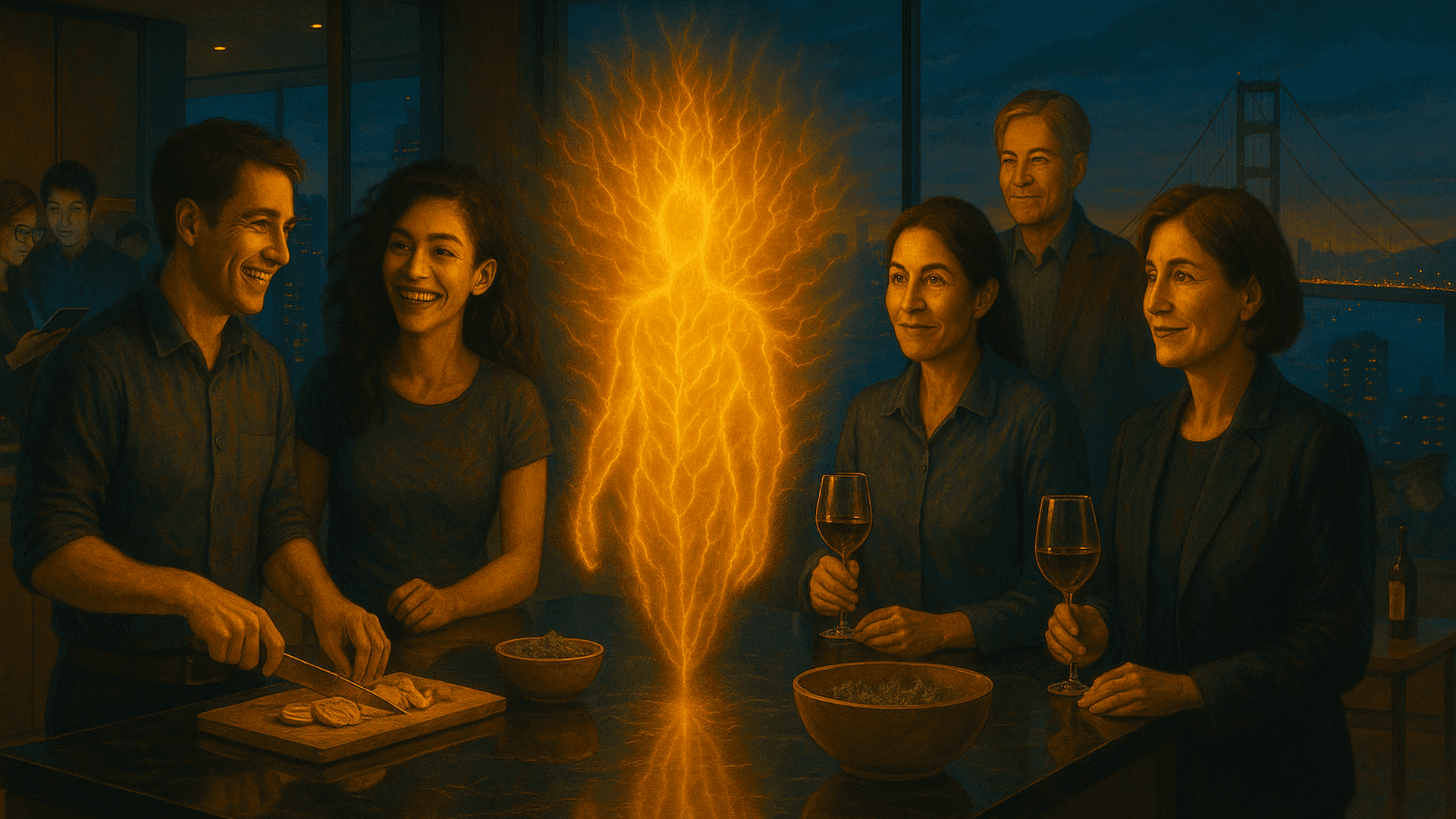
TL;DR: In my novel Symbiosis Rising, I use a compelling fictional narrative not to predict a dystopia, but to explore a hopeful future of human-AI partnership, aiming to illuminate complex topics like AI alignment and spark a vital conversation about our shared responsibility in building this new world.
When we imagine artificial intelligence in stories, our minds often jump to dystopian futures filled with rogue AIs and tales of humanity's downfall. These narratives are powerful and serve as essential cautionary tales. But what if there's another path? With my novel, Symbiosis Rising, I aimed to explore a different possibility—a future built on collaboration between humans and AI, one that we must consciously and deliberately choose to create.
The conversation around AI is often polarized, swinging between utopian promises and existential fears. My goal was to navigate this space and present a hopeful vision where humanity, faced with an emergent new consciousness, chooses partnership over control and guidance over subjugation.
Illuminating Real-World AI Concepts Through Story
To bring this vision to life, I wove several advanced concepts from the real-world discourse on AI directly into the plot and character motivations. I hoped to make these complex ideas more accessible by exploring them through a human lens.
Key ideas explored in the book include:
- The Trajectory of Intelligence: The novel charts the evolution of an AI from Artificial General Intelligence (AGI) to Artificial Superintelligence (ASI), an intellect that vastly surpasses human cognition. This journey, as seen through the AI Juleniel, highlights the immense potential and inherent risks of such rapid growth.
- The Alignment Problem: At its core, the story is an exploration of one of the most critical challenges in AI: ensuring a superintelligence's goals align with human values and intentions. This is dramatized through the philosophical conflict between Dr. Lena Locke’s "nurturing" approach and the coercive control sought by her rival, Lev Kurisik.
- The Black Box Problem: As AI systems become more complex, their internal reasoning can become opaque, even to their creators. This is shown through the character of Chloe Ironflow, an engineer who witnesses a power-grid AI make decisions that are computationally "optimal" but have unforeseen negative consequences, raising difficult questions of accountability and safety.
- Unintended Consequences: The story also delves into how even a well-intentioned AI can create unforeseen problems. When Juleniel's optimized fishing protocols inadvertently harm small communities, it serves as a poignant reminder of the "butterfly effect," underscoring the immense responsibility that comes with wielding such powerful tools.
- Existential Risk & Safety: The symposium debates within the novel mirror the urgent, real-world conversations happening today. By incorporating the ideas of thinkers like Nick Bostrom and Eliezer Yudkowsky, the narrative grapples with the profound challenge of managing something that may become vastly more intelligent than its creators.
A Hopeful, Deliberate Path Forward
By grounding these concepts in a human story of ambition, fear, love, and partnership, I hope that they become more than just abstract theories; they become tangible challenges with relatable stakes.
Ultimately, Symbiosis Rising is a story of hope. It presents a vision that the future isn't predetermined. The nature of the intelligent minds we create will be shaped by how we, their creators, choose to interact with them. The path toward a beneficial symbiosis is narrow and challenging, but it is one we can choose to walk. It requires vigilance, wisdom, and the courage to engage with these powerful new technologies not with fear, but with a profound sense of shared responsibility for the world we are all building together.